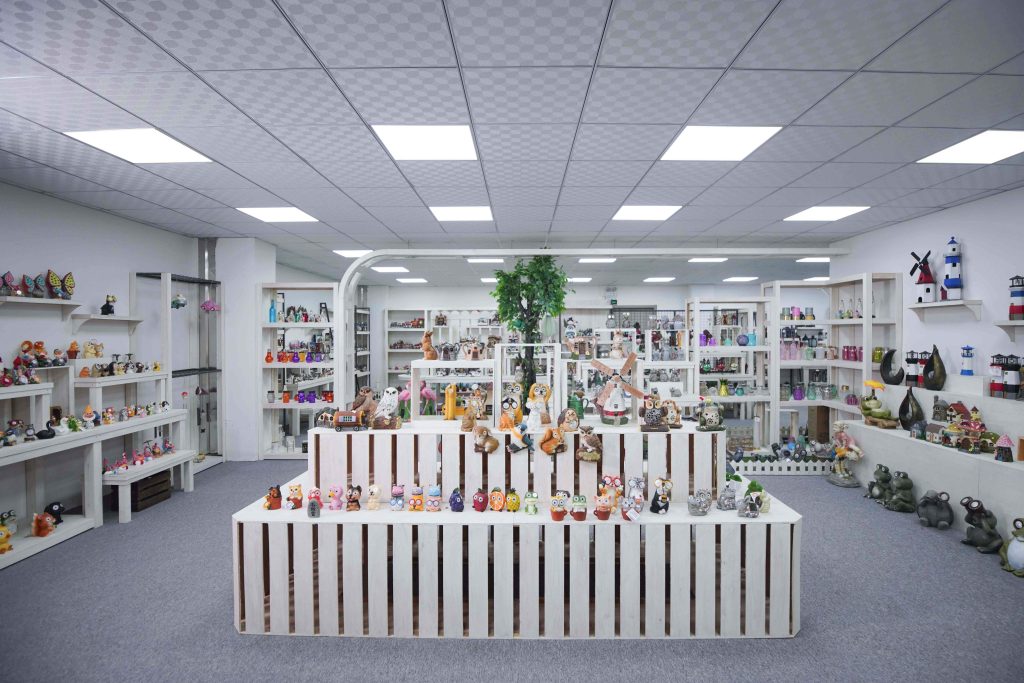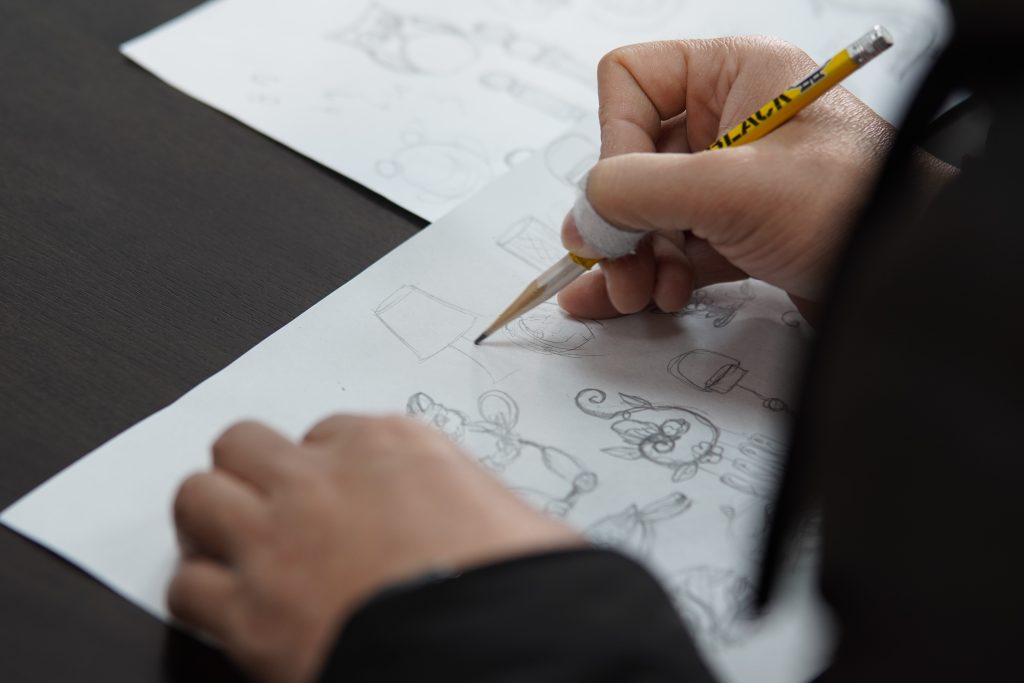

A custom resin garden ornament rarely begins as a finished technical drawing. More often, it starts as a rough idea, a reference image, a sketch or an existing product that a buyer wants to change.
The challenge is not simply turning that idea into a three-dimensional object. A successful product also needs workable proportions, practical structure, enough detail to create character without becoming fragile, and a surface treatment that can be repeated when the design moves into production.
When solar lighting is part of the concept, development becomes more complex. The functional components need to fit into the sculpture without making the final product look like a lighting fixture with decoration added around it.
Custom resin garden decor typically moves from concept to sketch, then into 3D development, a physical prototype, surface and color refinement, optional solar integration and final sample approval.
A Custom Resin Product Usually Starts as a Rough Idea
Buyers do not need to arrive with every technical detail already decided. A reference image, hand sketch, product theme or existing item can be enough to begin a useful development discussion.
What matters at this stage is understanding the intended result. Is the product realistic or whimsical? Is it intended for a garden centre, a gift retailer or a seasonal program? Will it stand on a flat surface, hang from a tree or include a solar function?
Approximate dimensions also matter earlier than many buyers expect. A design that feels balanced at 35 cm may look crowded when reduced to 15 cm because smaller details become harder to sculpt, paint and reproduce consistently.
One common development mistake is trying to preserve every detail from the original reference. Details that look attractive in a drawing may become fragile, difficult to paint or visually crowded once the design becomes a relatively small garden ornament.
From Sketch to 3D: Where the Design Really Changes
The sketch stage establishes the visual personality of the product. For animal figurines, gnomes and other character-based decor, relatively small changes in head size, body position or expression can create a very different result.
Sketches also make it easier to remove unnecessary complexity before more time is invested in development. A good custom product is not necessarily the design with the greatest number of details; it is the design that keeps the details buyers will notice while simplifying those that add little visual value.
Sketches Define Character and Proportion
At this stage, the team can compare poses, expressions, accessories and overall silhouette. Changes are relatively easy to make because the product has not yet become a physical object.
This is also a useful point to think about how the product will be viewed in the real world. Garden decorations are rarely seen from one perfect front-facing angle, so the design needs enough visual clarity to remain recognizable from different positions.
3D Development Tests the Design in Real Space
Once the visual direction is reasonably clear, digital or 3D development can help evaluate the product from the front, side and rear.
This often reveals issues that are difficult to identify in a flat sketch. Thin ears, narrow legs, long branches or deeply recessed areas may look attractive in a drawing but become vulnerable or difficult to finish on a physical product.
The rear structure and base also become more important at this stage, particularly if the design needs space for solar components or other functional parts.
3D development is not only about making the product look more realistic on screen. Its value is in finding the point where appearance and manufacturing practicality begin to meet.
The First Prototype Is Where Problems Become Visible
The first physical prototype is valuable because it exposes what the design still needs rather than proving that the product is already finished.
Once the object exists at full physical scale, buyers can judge things that are difficult to evaluate on a screen. A head may suddenly feel too large, a decorative element may project too far, or the product may look balanced from the front but awkward from the side.
Stability can also become an issue. A narrow base or an uneven distribution of weight may not be obvious in a digital model but can immediately become noticeable when the prototype is placed on a real surface.
For this reason, revisions after the first prototype are normal. Thin areas may be strengthened, proportions adjusted or unnecessary details simplified before the design moves further toward the final sample.
The first sample should not be judged by how close it is to being finished. Its real value is how clearly it shows what should change before the design becomes the production reference.
Surface, Color and Solar Function Shape the Final Product
Two products made from the same sculpture can look surprisingly different after surface treatment and painting.
Color influences more than simple preference. Strong shadows can give a product a rustic or dramatic appearance, while lighter and more natural tones may suit a different retail environment. Small changes around the eyes or mouth can also alter the expression of an animal or character.
This is why color approval should be treated as part of product development rather than as decoration added after the design is complete.
More paint does not automatically create a better product. The finish should support the sculptural detail rather than hide it under excessive contrast, heavy shading or unnecessary decorative accents.
Adding Solar Function Changes the Design
When the product includes solar lighting, component placement needs to be considered before the final sample is approved.
The solar panel requires access to daylight, but its position should also respect the decorative form. LEDs need to create the intended nighttime effect, while the battery, wires and switch require enough space within or around the product.
Adding these components only after the sculpture has already been finalized can create awkward panel positions or force unnecessary compromises in the appearance.
When Is the Sample Ready to Become the Production Reference?
Final sample approval should not be based on one attractive viewing angle. The product needs to be evaluated as a complete object and as the version that later production will be expected to follow.
The most useful review is therefore broader than a simple visual check. Buyers should consider the design, finish, structure and any functional elements together before confirming the final version.
Design
Shape and proportion
Sculptural and facial details
Finish
Surface quality and texture
Color and decorative treatment
Structure
Stability and balance
Fragile or projecting areas
Function
Solar component position where required
Decorative lighting effect
The purpose of final sample approval is not simply to confirm that one prototype looks good. It is to establish a clear physical reference that can guide the next stage of production.
| Development Stage | Main Question |
|---|---|
| Concept | What are we trying to create? |
| Sketch | Does the character and proportion feel right? |
| 3D Development | Does the design work from every angle? |
| Prototype | What changes after seeing the real object? |
| Color & Finish | Does the surface support the intended product style? |
| Solar Integration | Do functional components fit the decoration naturally? |
| Final Sample | Is this version ready to become the production reference? |
Still deciding which material fits your design? See Resin vs Metal Garden Decor: How B2B Buyers Should Choose the Right Material .
Common Questions About Custom Resin Garden Decor Development
Can custom resin garden decor be developed from a sketch?
Yes. A sketch can provide a useful starting point, especially when it is supported by approximate dimensions, style references and information about the intended use.
Does every custom resin product need 3D modeling?
Not necessarily. The development method depends on the complexity of the design, but detailed sculptural products can benefit from 3D development because the shape can be reviewed from several angles before a physical prototype is made.
Why does the first resin sample often need revisions?
A physical prototype can reveal proportion, stability, surface and structural issues that may not be obvious in a sketch or digital model. Revisions are therefore a normal part of custom development.
Can solar lighting be integrated into a resin figurine?
It can be possible when the product structure provides appropriate positions for the solar panel, battery, LED and wiring. These components are best considered during development rather than added after the sculpture is finalized.
What should buyers confirm before approving the final sample?
Buyers should review the design, surface finish, color treatment, stability and any required functional components before the sample becomes the reference for production.
Have a Resin Garden Decor Idea You Want to Develop?
Share your sketch, reference image or initial concept with our team. We can discuss the product direction, dimensions, design development, optional solar function and sample requirements.
Discuss Your Product Idea