Resin and metal are both widely used in garden decor, but they are not interchangeable materials.
The right choice depends on the product shape, level of detail, installation method, solar configuration, packaging requirements and target retail positioning.
For B2B buyers, the decision should therefore begin with the product concept rather than with a simple question such as “Which material is better?”
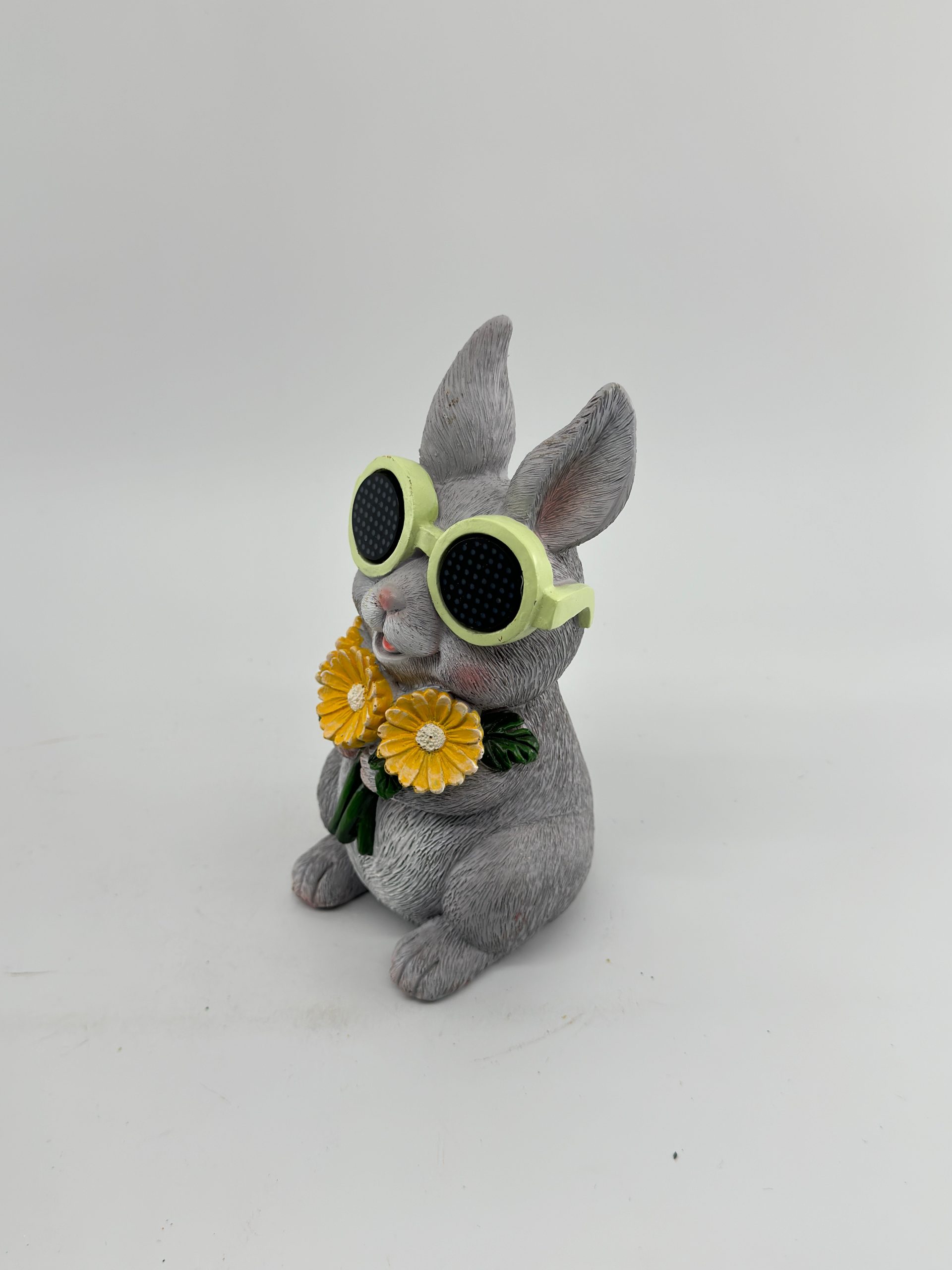
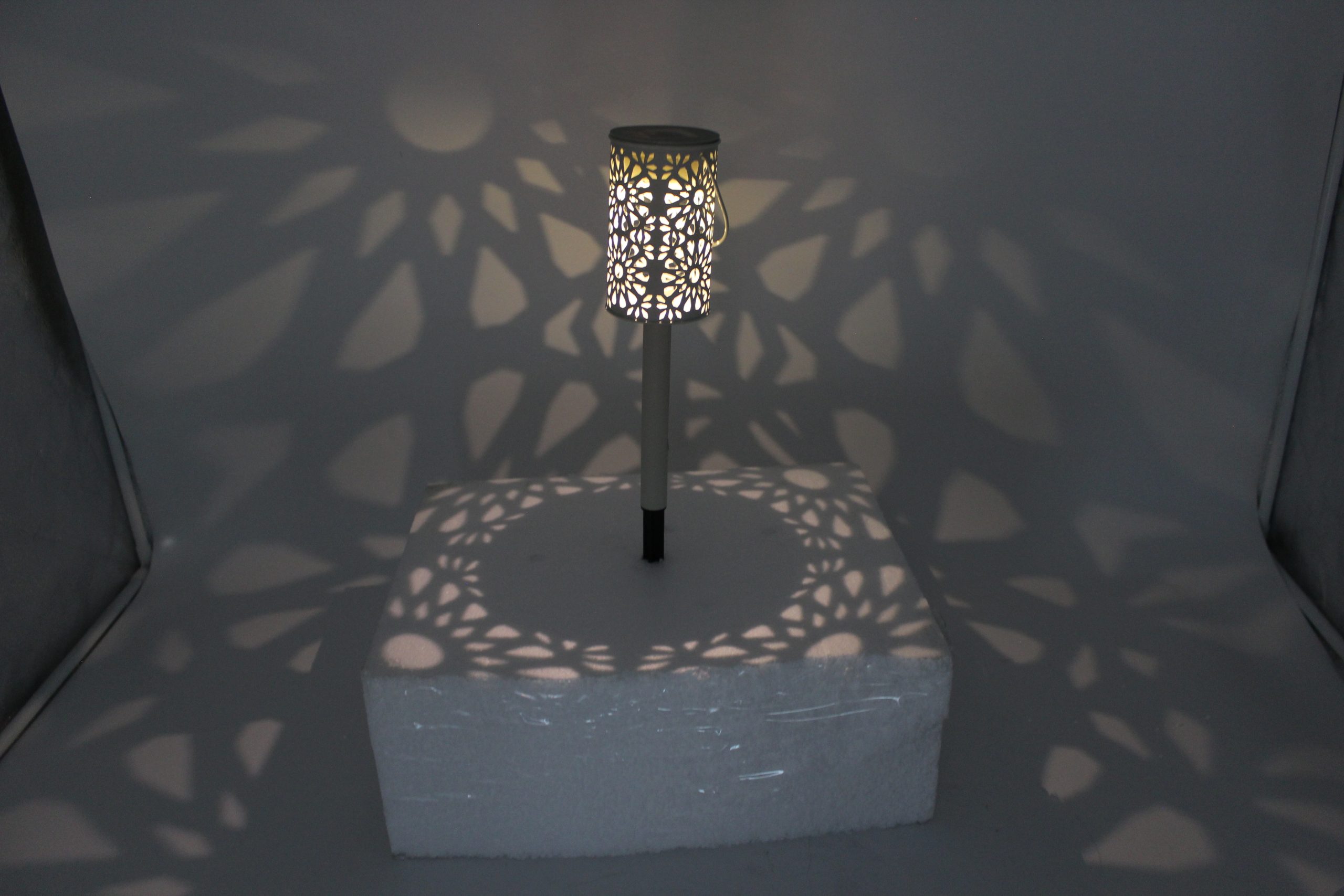
Resin is generally more suitable when a product needs sculptural detail, three-dimensional character forms or hand-painted surfaces. Metal is often more suitable for stakes, lanterns, wall decor, hanging products, open frames and cut-out designs. For solar garden decor, the best material also depends on where the solar panel, LED and other components need to be positioned.
Why Material Choice Matters in Garden Decor
Material affects much more than the appearance of the finished product. It influences how a design is shaped, how components are installed, how the product is packed and how easily the approved design can be reproduced in larger quantities.
A highly detailed animal figurine and a thin garden stake may both be outdoor decorations, but they require very different structures and manufacturing methods.
Choose Resin When Detail Matters
Resin can reproduce sculptural forms, facial expressions, fur textures, decorative surfaces and other three-dimensional details effectively.
Choose Metal When Structure Matters
Metal is useful when the product relies on thin profiles, frames, rods, hanging structures, wall mounting or cut-out patterns.
When Resin Works Better for Garden Decor
Resin is particularly effective for products where the decorative form itself is the main selling point.
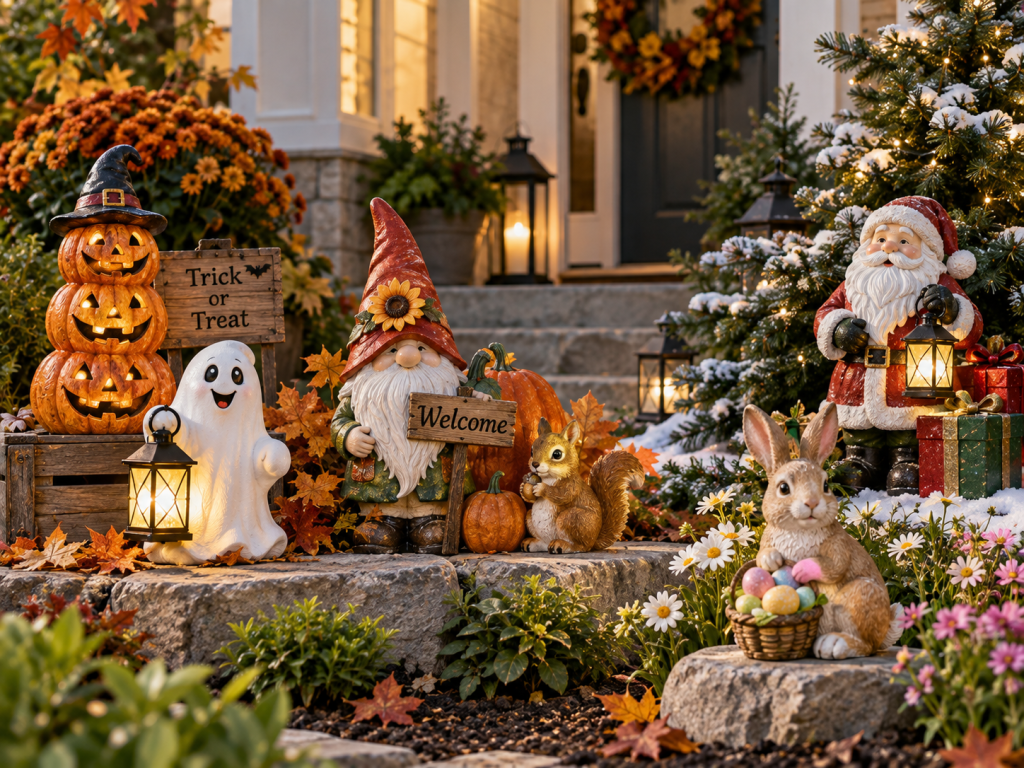
Animal figurines, gnomes, mushrooms, seasonal characters and other sculptural designs often require depth, texture and surface detail that are difficult to achieve with flat or open metal structures.
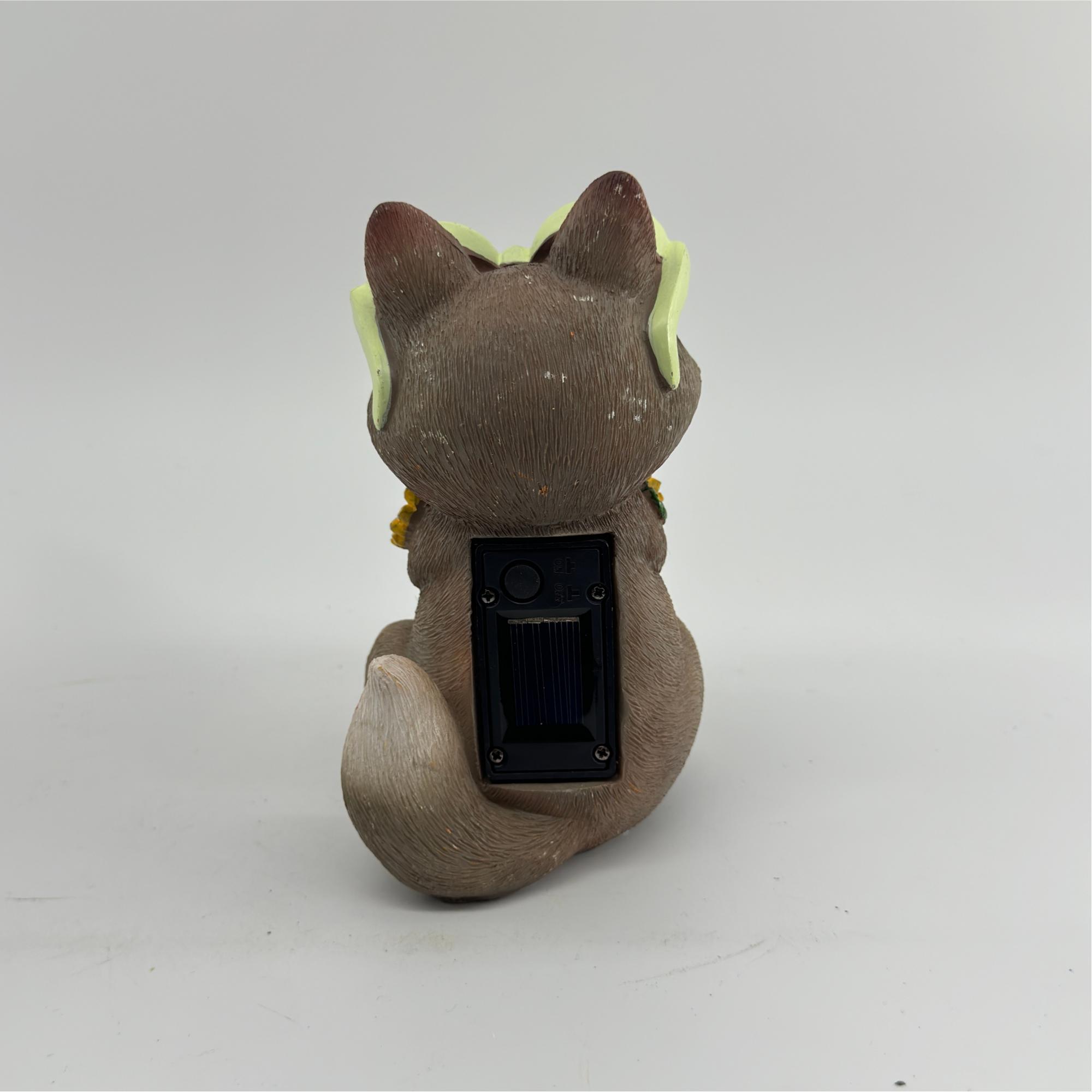
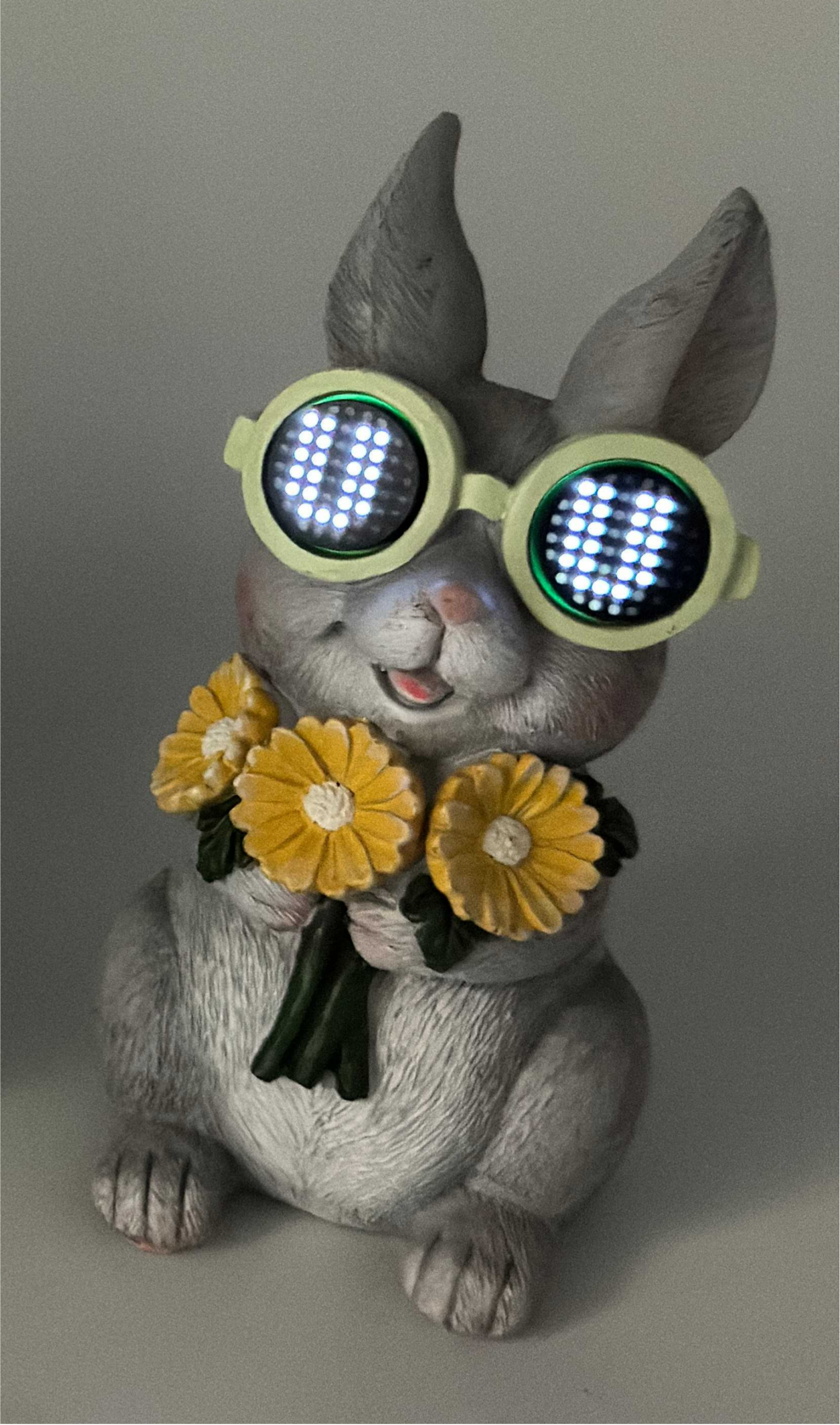
Typical resin applications: animal figurines, gnomes, mushrooms, character decor, seasonal decorations, miniature scenes and sculptural solar ornaments.
When Metal Is More Suitable
Metal becomes more attractive when the design depends on structure rather than sculptural mass.
Thin profiles, rods, frames, hanging elements, stakes, wall-mounted decorations and lantern-style products can often be produced more naturally in metal.
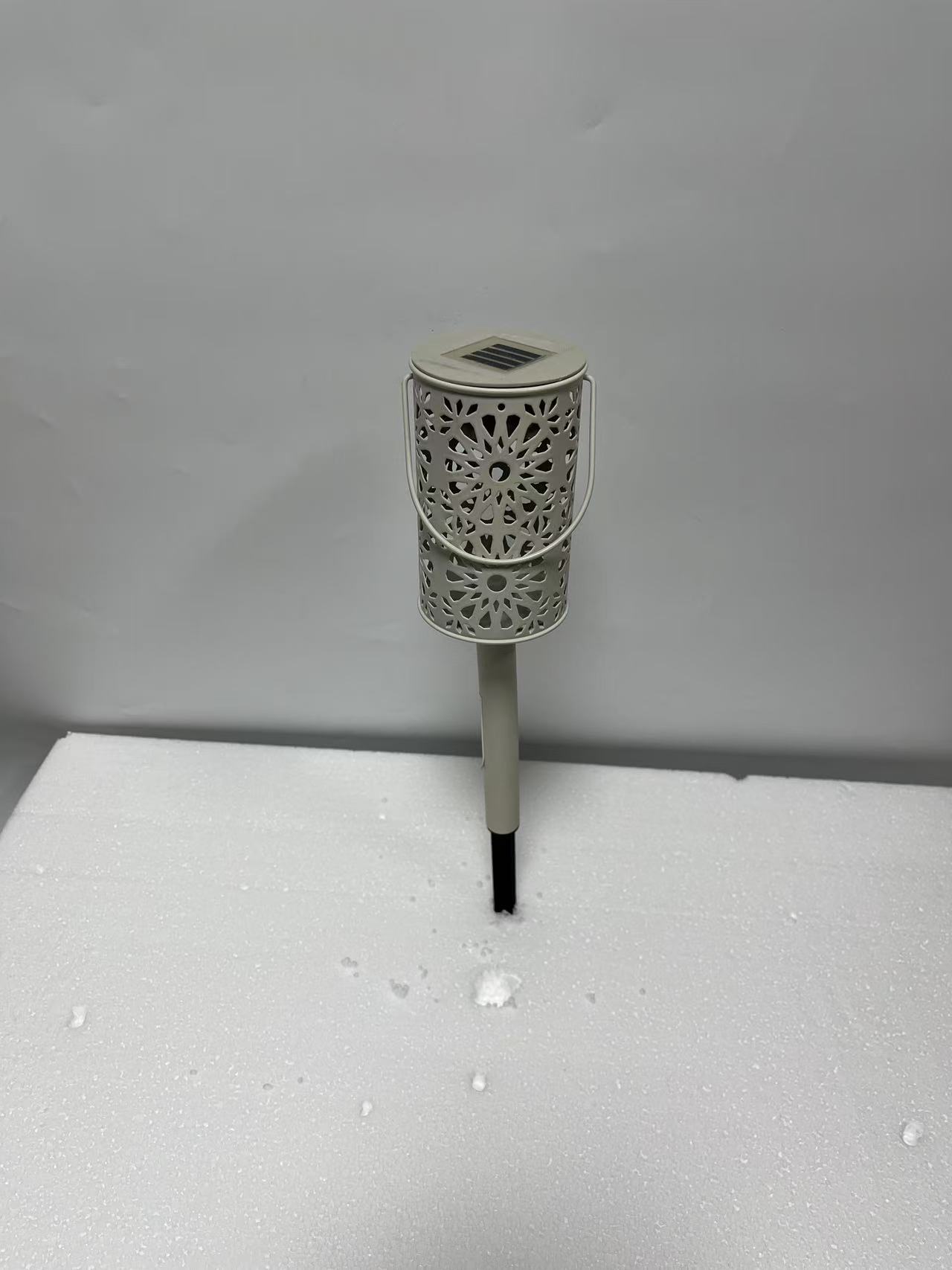
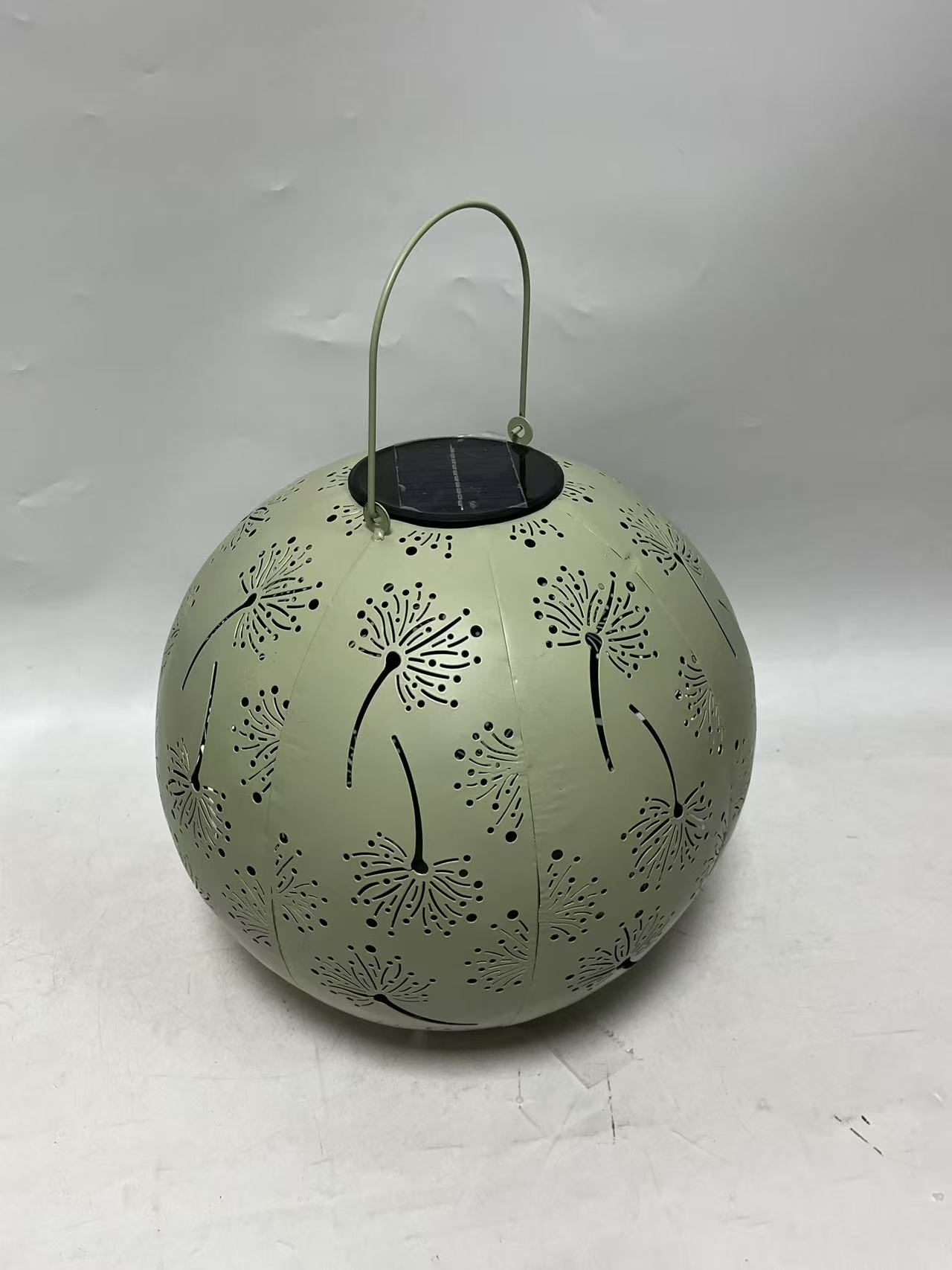
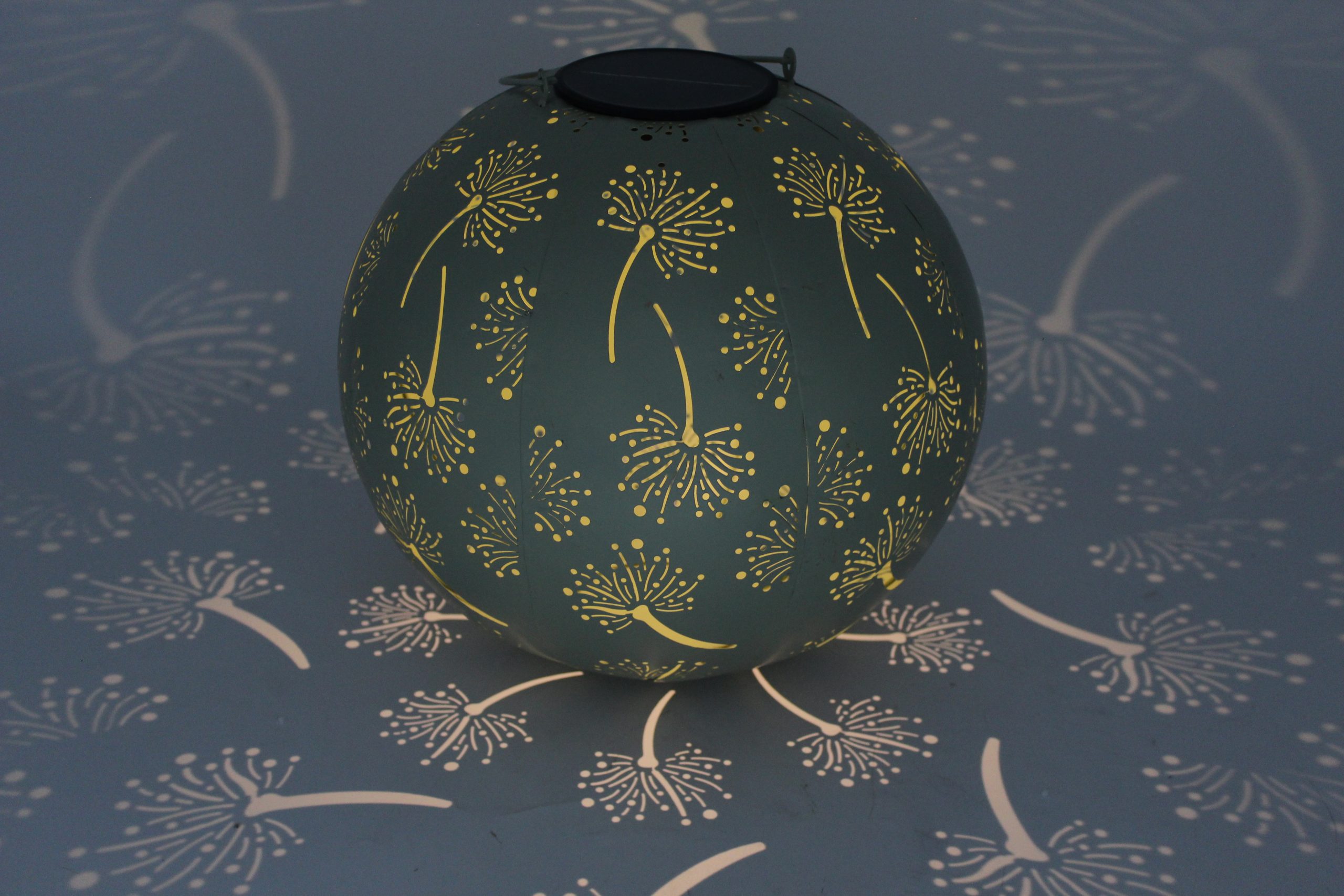
Typical metal applications: garden stakes, wall decorations, hanging decor, lanterns, open-frame ornaments, cut-out designs and projection-style solar products.
How Solar Integration Differs Between Resin and Metal Products
Solar functionality should be considered together with the material and structure rather than added after the product has already been designed.
Resin products often provide more internal or hidden volume for components, while metal products may use the visible structure itself to support solar panels, LEDs or projection effects.
Resin: Hidden or Integrated Components
The solar panel may be positioned on the rear or base, while LEDs can be integrated into eyes, lanterns, windows or other decorative details.
Metal: Structural or Projection-Based Integration
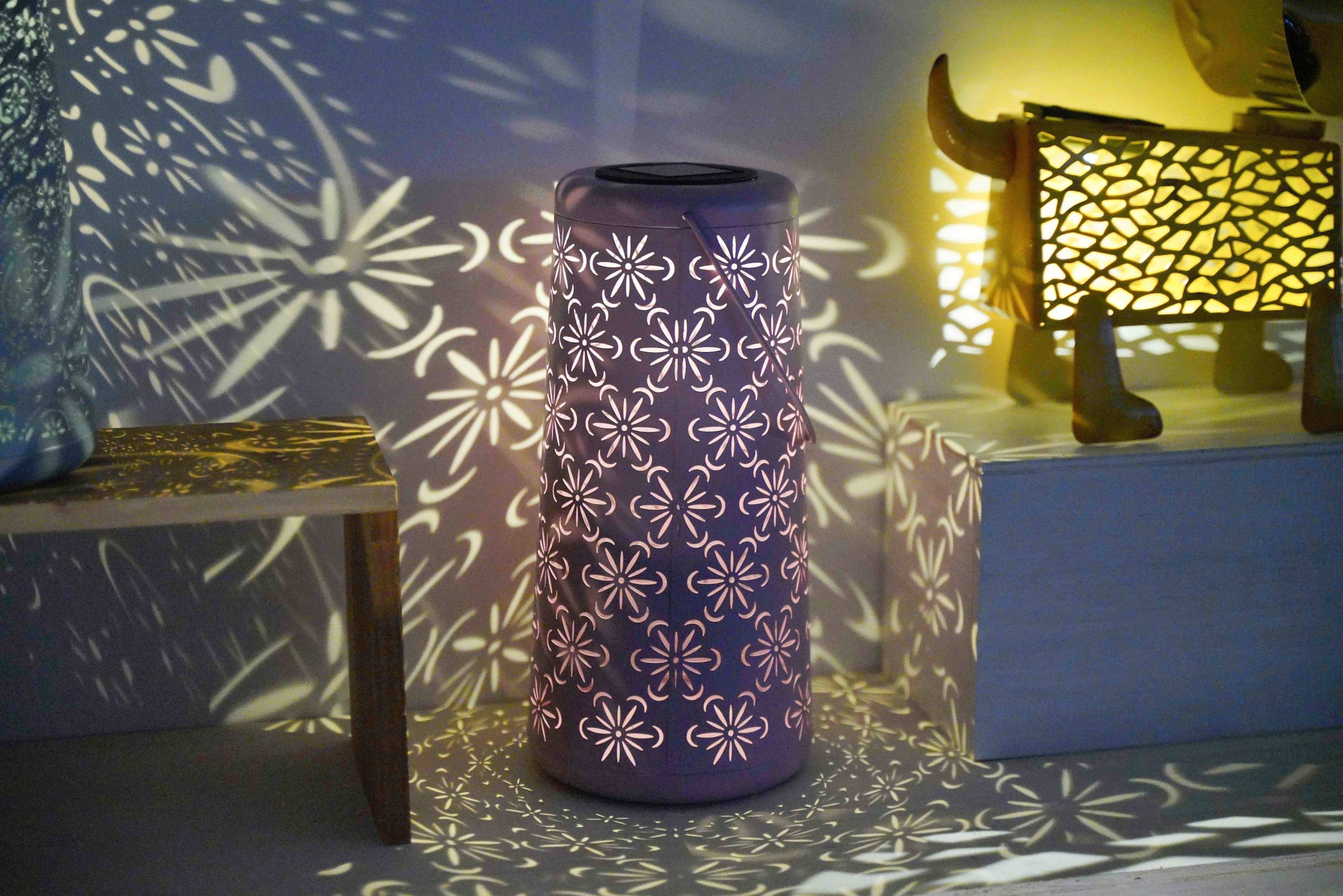
Solar panels can be mounted on the top or structure, while LEDs inside cut-out metal forms can create patterned or projected lighting effects.
For decorative solar products, lighting is often secondary to the ornament itself. The objective is usually to add nighttime atmosphere without making the product look like a conventional functional lamp.
Durability, Cost and Packaging Depend on More Than the Material
Buyers sometimes treat material choice as the main indicator of outdoor performance or cost. In practice, the result depends on a combination of design, surface treatment, assembly, product dimensions, packaging and component quality.
| Factor | Resin | Metal | Buyer Consideration |
|---|---|---|---|
| Surface detail | High sculptural detail | Better for profiles and cut-outs | Match material to the visual concept |
| Outdoor performance | Depends on resin formulation, finish and paint | Depends on coating, finish and corrosion protection | Do not judge durability by material name alone |
| Manual finishing | Often suitable for hand painting | May use coating, printing or painted finishes | Finishing method can affect cost |
| Weight | Often heavier for solid sculptural products | Can be lighter with open structures | Weight affects carton and shipping efficiency |
| Packaging risk | Detailed projections may need more protection | Thin parts may require protection from bending | Packaging should follow product structure |
| Solar integration | Useful for embedded decorative effects | Useful for mounted or projection effects | Plan components during product development |
Which Material Is More Common for Different Garden Decor Categories?
There is no absolute rule, but some product categories naturally fit one material better because of their shape and structure.
| Product Category | More Common Choice | Reason |
|---|---|---|
| Animal figurines | Resin | Detailed sculptural forms and painted surfaces |
| Garden gnomes | Resin | Character detail and three-dimensional shapes |
| Mushroom decor | Resin | Organic and sculptural product forms |
| Seasonal characters | Resin | Complex decorative shapes and hand-painted details |
| Garden stakes | Metal | Thin rods and structural installation |
| Wall decor | Metal | Flat profiles, open patterns and lower visual mass |
| Hanging decor | Metal / Mixed | Lightweight frames and suspended structures |
| Decorative lanterns | Metal | Open structures and internal lighting |
| Sculptural solar decor | Resin | Lighting can be integrated into decorative details |
| Projection solar decor | Metal | Cut-out patterns can create projected lighting effects |
What Should Buyers Tell a Manufacturer Before Choosing the Material?
Buyers do not always need to decide the material before contacting a supplier. In many custom projects, it can be more useful to explain the intended result and let the manufacturer evaluate which structure is practical.
Common Questions About Resin and Metal Garden Decor
Is resin or metal better for outdoor garden decor?
Neither material is automatically better for every product. Resin is generally more suitable for detailed sculptural forms, while metal is often more suitable for structural, hanging, wall-mounted or stake-based designs.
Is resin suitable for solar garden decor?
Yes. Resin products can integrate solar panels, rechargeable batteries and LEDs into sculptural designs, provided the components are considered during product development.
Is metal better for solar projection effects?
Metal can be particularly suitable for projection-style products because cut-out patterns can allow internal LEDs to create decorative shadows or projected patterns.
Which material is more suitable for animal garden ornaments?
Resin is commonly used for detailed animal figurines because it supports three-dimensional forms, facial features, textures and painted decorative surfaces.
Which material is more suitable for garden stakes?
Metal is often a practical choice for garden stakes because rods and thin structural elements can be integrated naturally into the design.
Can resin and metal be combined in one product?
Yes. Mixed-material designs may use resin for sculptural decorative elements and metal for stakes, frames, hanging structures or other functional components.
Does material choice affect packaging cost?
It can. Weight, product dimensions, fragile projections, thin metal parts and the amount of protective packaging required can all influence carton size and shipping efficiency.
Not Sure Whether Your Design Should Be Resin or Metal?
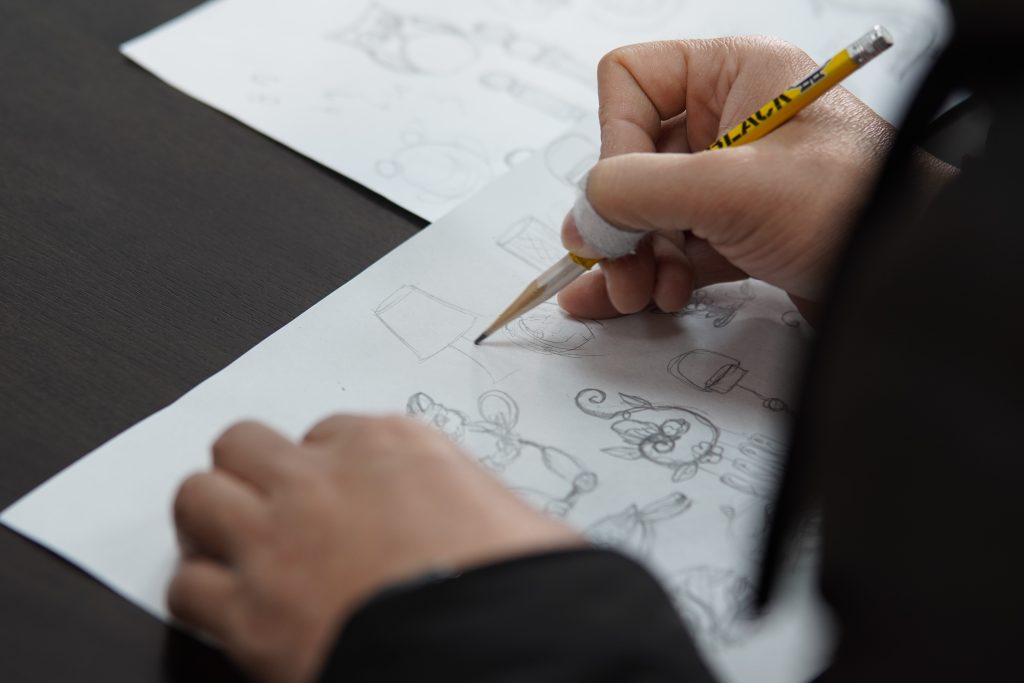
Share your product concept, reference image or sketch with our team. We can discuss the product structure, material direction, solar function, sampling and manufacturing requirements.
Discuss Your Product