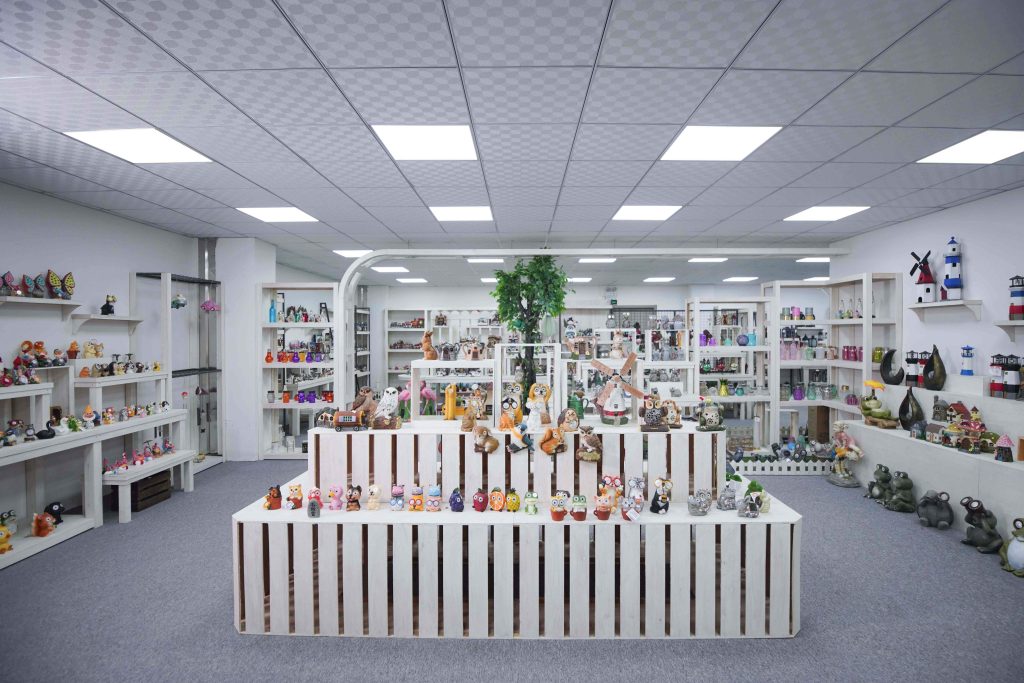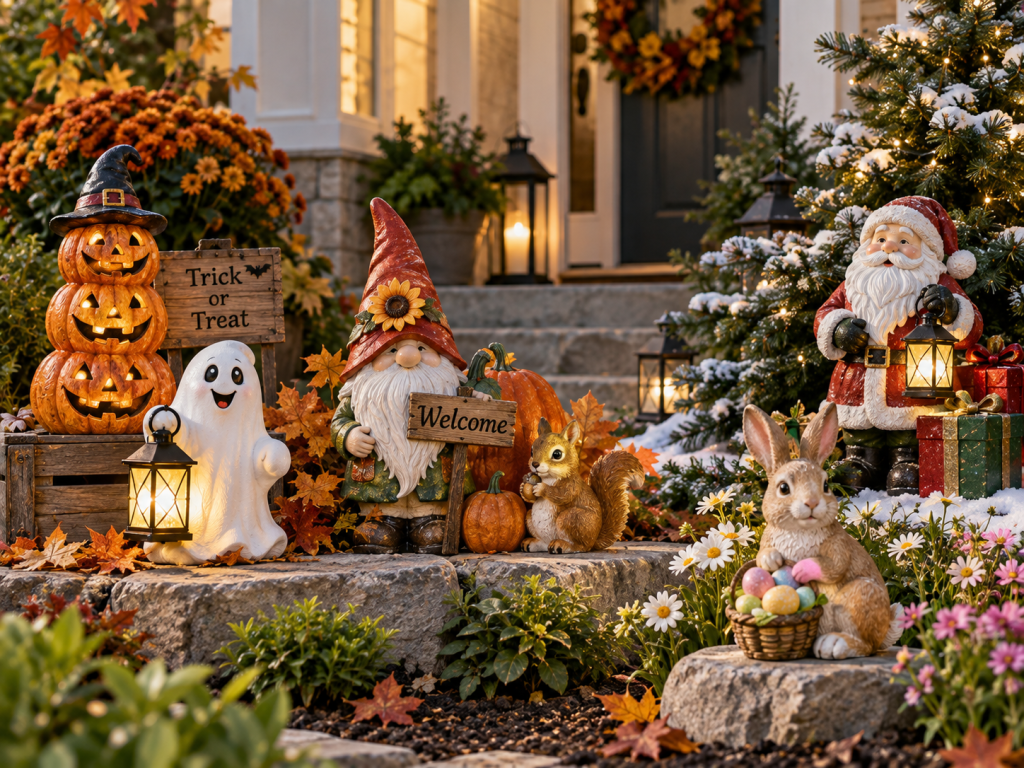
Sourcing custom solar garden decor involves more than selecting an existing ornament and adding a solar panel.
For importers, wholesalers, retail brands and private-label buyers, a successful project normally connects product concept, design development, material selection, solar configuration, sampling, production, quality control and packaging.
Understanding these stages before placing an order can help buyers communicate requirements more clearly, reduce avoidable revisions and evaluate whether a supplier can support both product development and repeatable production.
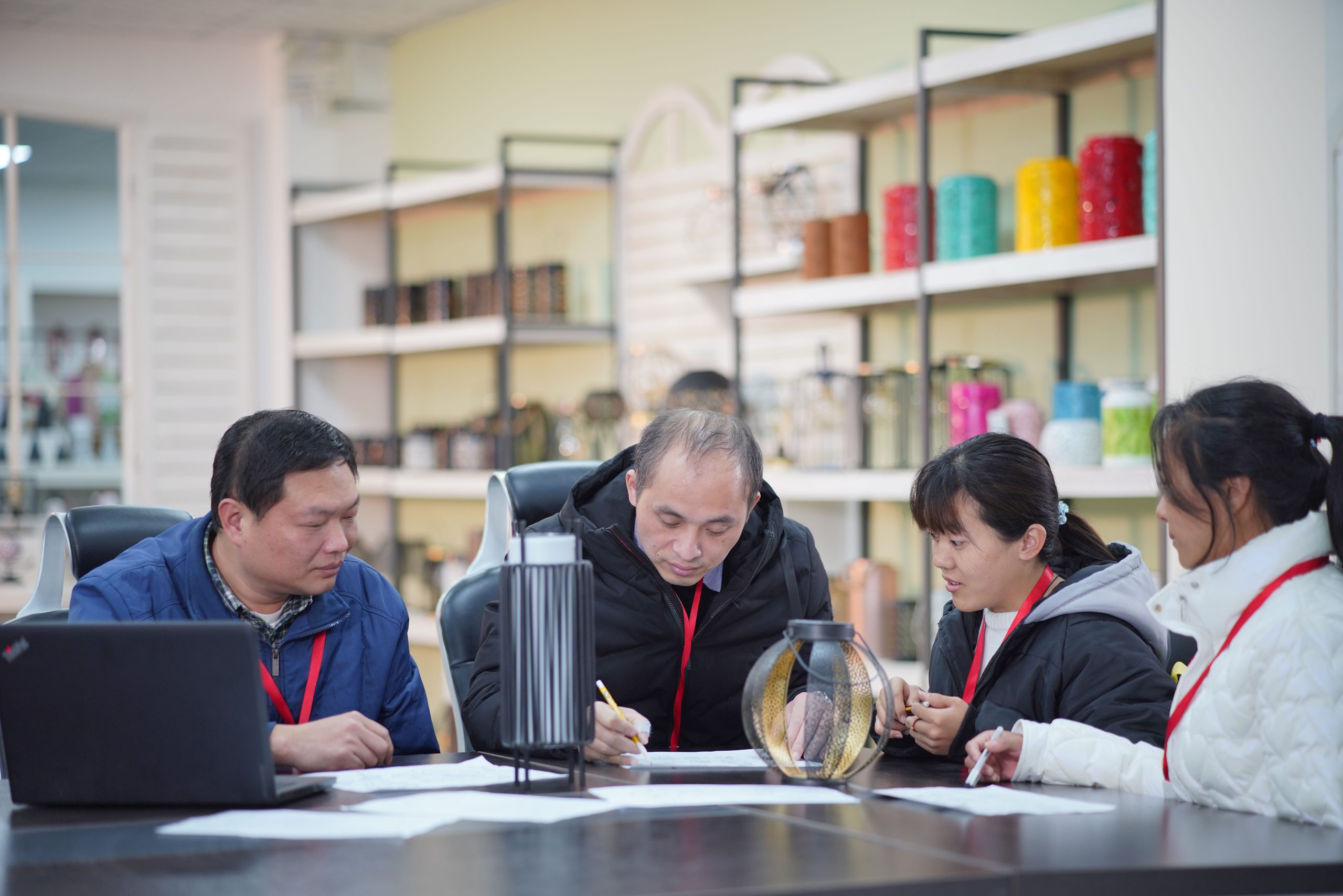
To source custom solar garden decor, start by defining the product concept, target market, approximate size, material, solar function, expected quantity and packaging requirements. The supplier can then develop the design, prepare a sample, confirm components, move into production, carry out relevant quality checks and organize packaging before shipment.
Define Your Sourcing Brief Before Development Starts
Buyers do not need to prepare a complete engineering drawing before contacting a manufacturer. However, a clear sourcing brief gives both sides a much better starting point.
The most useful information normally includes the product idea, target dimensions, intended market, preferred material, solar function, estimated order quantity and packaging expectations.
| Information to Prepare | Example | Why It Matters |
|---|---|---|
| Product concept | Animal, mushroom, gnome, lantern or seasonal design | Defines the overall development direction |
| Approximate dimensions | For example, 15–30 cm | Affects structure, cost, packaging and shipping |
| Preferred material | Resin, metal or mixed materials | Influences detail level and manufacturing method |
| Solar requirement | Warm white, white LED or decorative lighting effect | Influences components and structural design |
| Application | Yard, patio, lawn, flower bed, wall or hanging use | Helps define product structure and positioning |
| Estimated quantity | Trial order and expected repeat volume | Helps evaluate production and commercial feasibility |
| Target market | US, EU, UK or other markets | May affect compliance and packaging requirements |
| Packaging | Retail box, mail-order packaging or standard export carton | Can affect both design and shipping cost |
From Product Concept to Production-Ready Design
Custom garden decor usually moves through several design stages before a physical sample is produced. The objective is not simply to create an attractive drawing, but to turn the initial idea into a form that can realistically be manufactured.
Concept Discussion
A custom project may begin with a reference image, an existing product, a hand-drawn idea or simply a product theme.
At this stage, the buyer and development team can discuss styling direction, proportions, installation method, intended market and functional requirements before detailed design work begins.

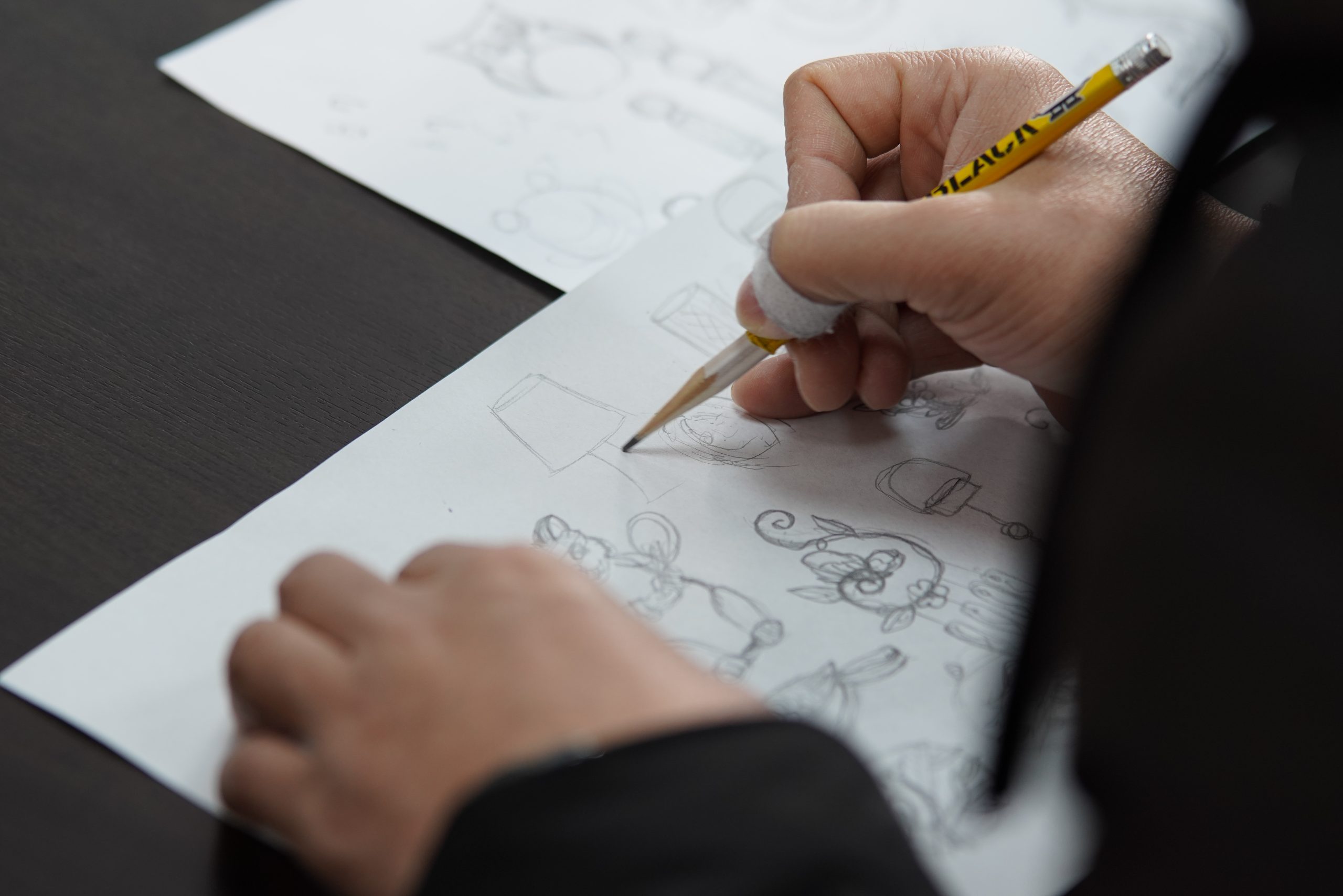
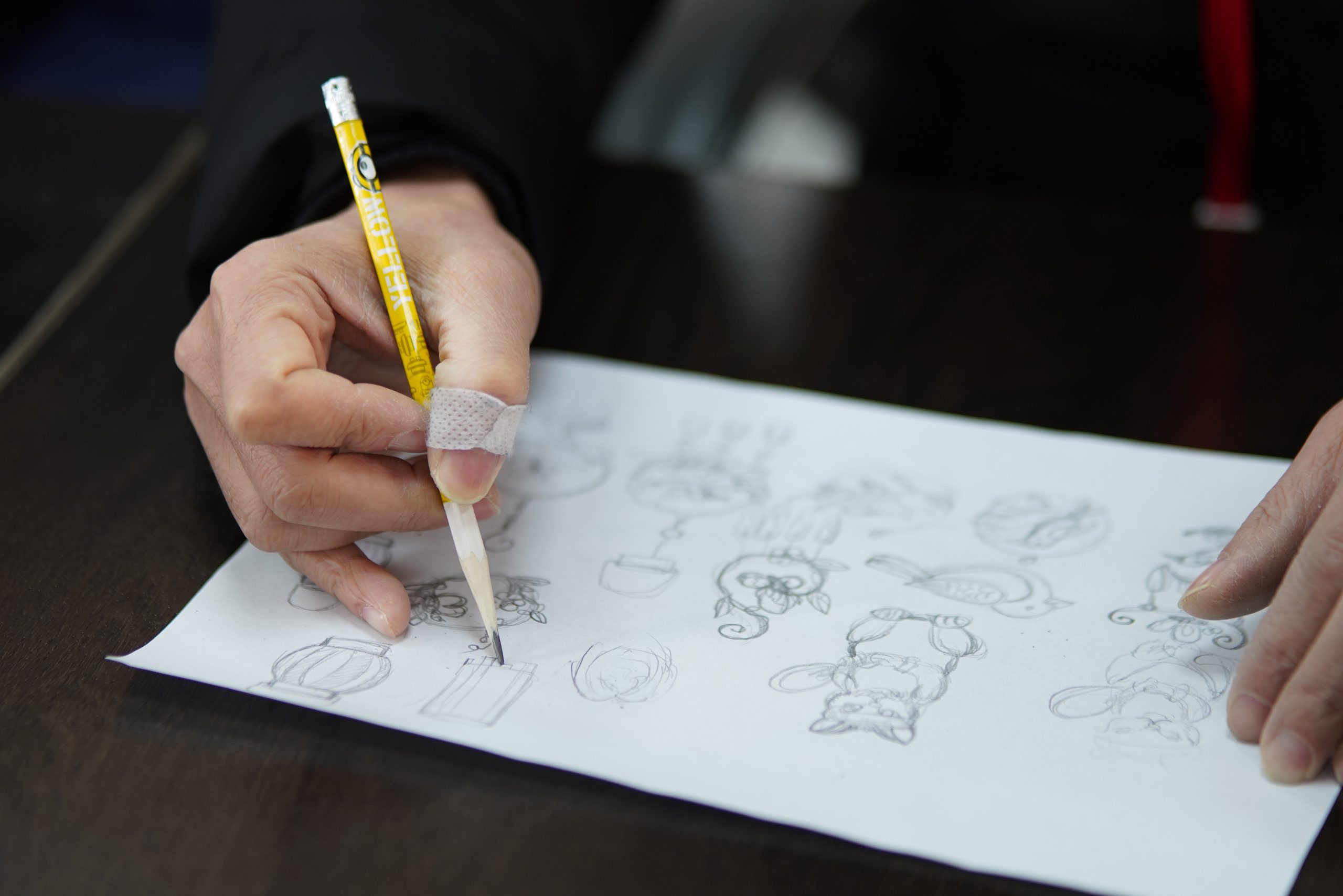
Sketch Development
Sketches make it easier to compare proportions, character expressions, decorative details and alternative directions before the design becomes more technically developed.
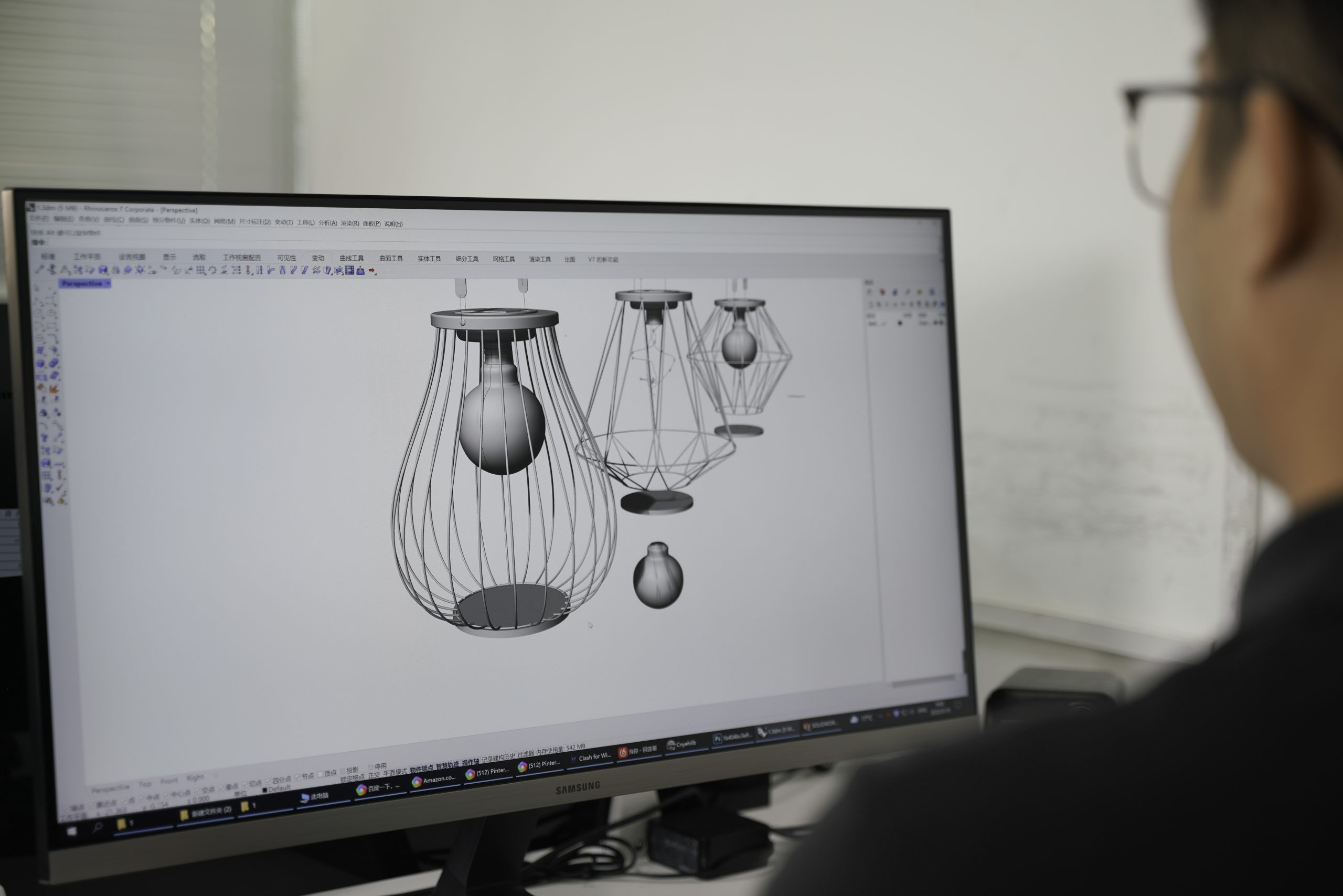
3D Modeling and Structural Planning
Digital development can help refine proportions, dimensions, assembly relationships and component positions before a physical sample is produced.
This is especially useful when decorative shapes need to work together with solar panels, LEDs, batteries, wires or other functional components.
Key objective: the design should not only look right on screen; it should also be practical to manufacture, assemble, package and reproduce consistently.
Decide the Material and Solar Configuration Together
Material selection and solar integration should be considered as part of the same product-development decision. The decorative form affects where components can be placed, while the chosen material affects how the design can be manufactured.
Resin Garden Decor
Resin is well suited to sculptural products with detailed forms, including animals, gnomes, mushrooms and seasonal characters.
Metal Garden Decor
Metal is particularly useful for lanterns, garden stakes, hanging decor, wall decorations and products using open-frame or cut-out structures.
| Design Requirement | Resin | Metal |
|---|---|---|
| Detailed sculptural forms | Very suitable | More limited |
| Animal figurines | Very suitable | Suitable for stylized designs |
| Cut-out patterns | Limited | Very suitable |
| Projection effects | Possible | Very suitable |
| Garden stakes | Possible | Very suitable |
| Decorative solar lighting | Suitable | Suitable |
Integrating Solar Components Into the Decoration
Solar panel position, rechargeable battery, LED location, wire routing and the intended lighting effect should be considered together with the decorative structure.
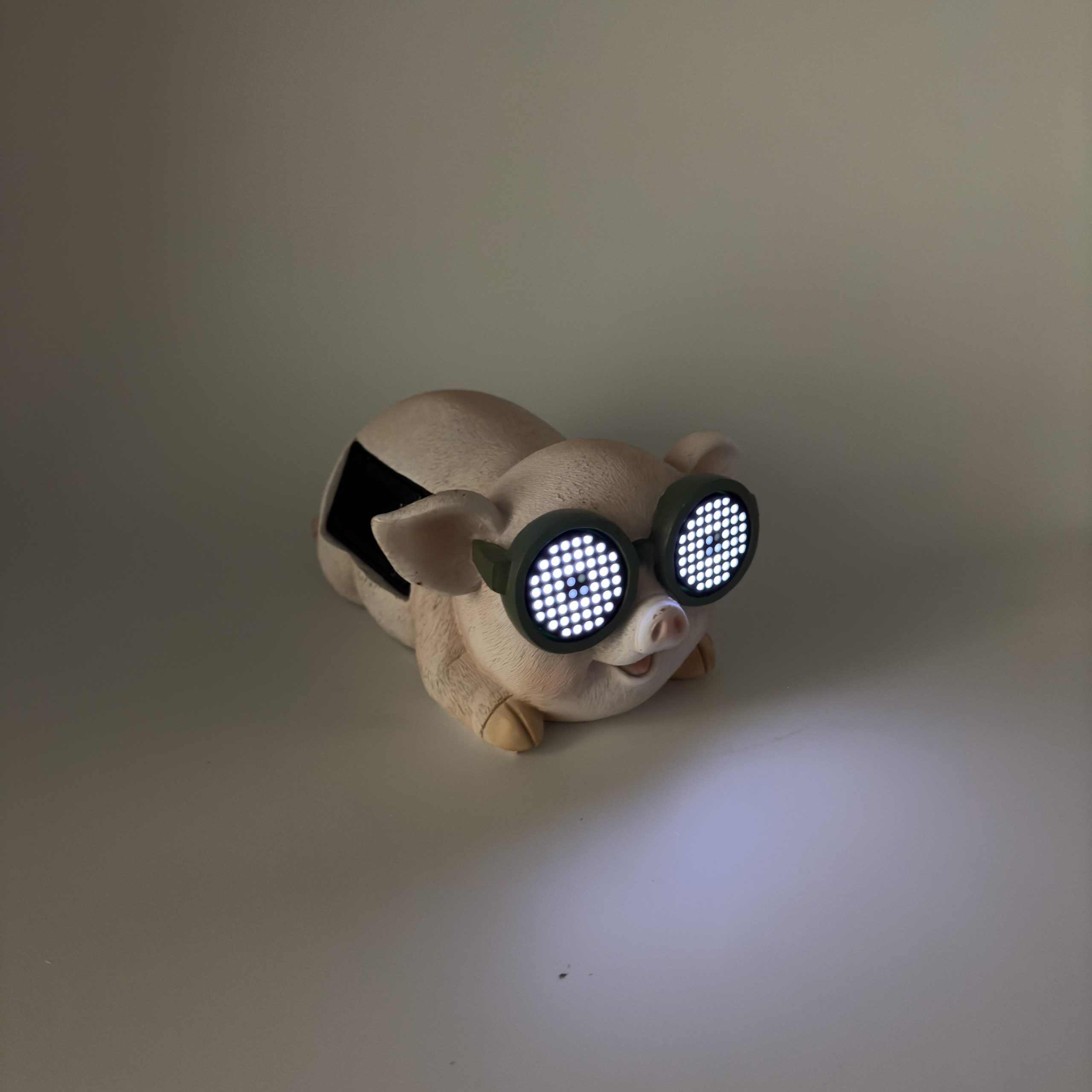
For example, a solar panel may be positioned on the rear of a resin figurine, integrated into the top of a metal lantern or placed in another area that can receive daylight without unnecessarily affecting the appearance.
Decorative lighting is different from functional illumination. Many solar garden ornaments use LEDs primarily to create atmosphere and visual interest at night rather than to provide high-output lighting.
Develop and Approve the Physical Sample
A physical sample is an important checkpoint between digital development and mass production. It allows the buyer and manufacturer to evaluate how the design performs as a real product rather than only as a drawing or 3D model.
Shape, surface finish, color, component position, lighting effect and assembly can all be reviewed before the production version is confirmed.
Sample development is also where practical issues may become visible. A color may need to change, a component may need to move, or the structure may need adjustment before the design is ready for larger quantities.
| Sample Review Area | What Buyers May Check |
|---|---|
| Shape and proportions | Whether the physical product matches the approved design direction |
| Surface and color | Painting, finish, texture and visible decorative details |
| Solar components | Solar panel position, LED position and overall visual integration |
| Lighting effect | Color temperature, visibility and intended decorative effect |
| Assembly | Whether parts are secure and practical for production |
| Packaging compatibility | Whether the finished dimensions work with the planned packaging method |
Move From the Approved Sample Into Mass Production
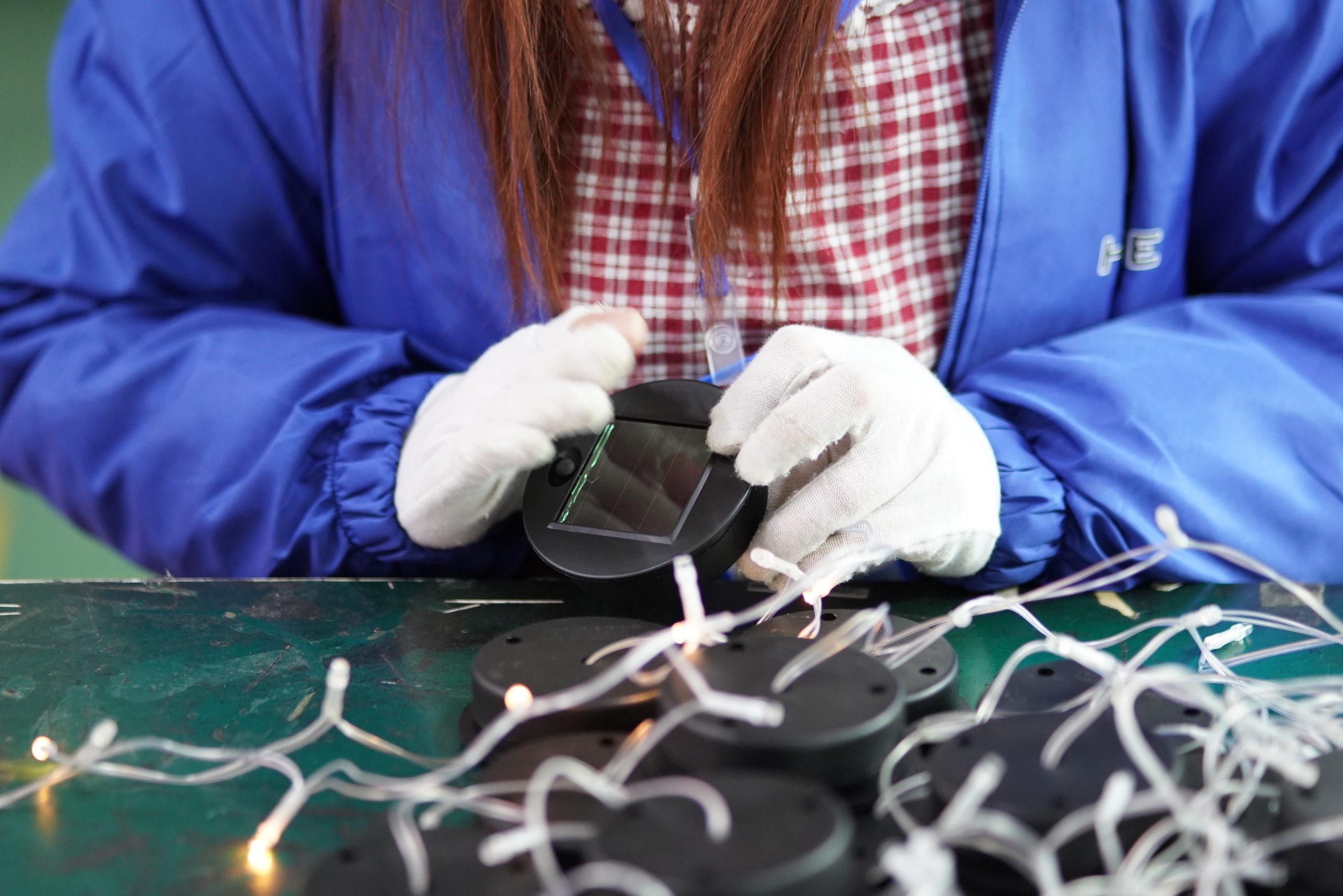
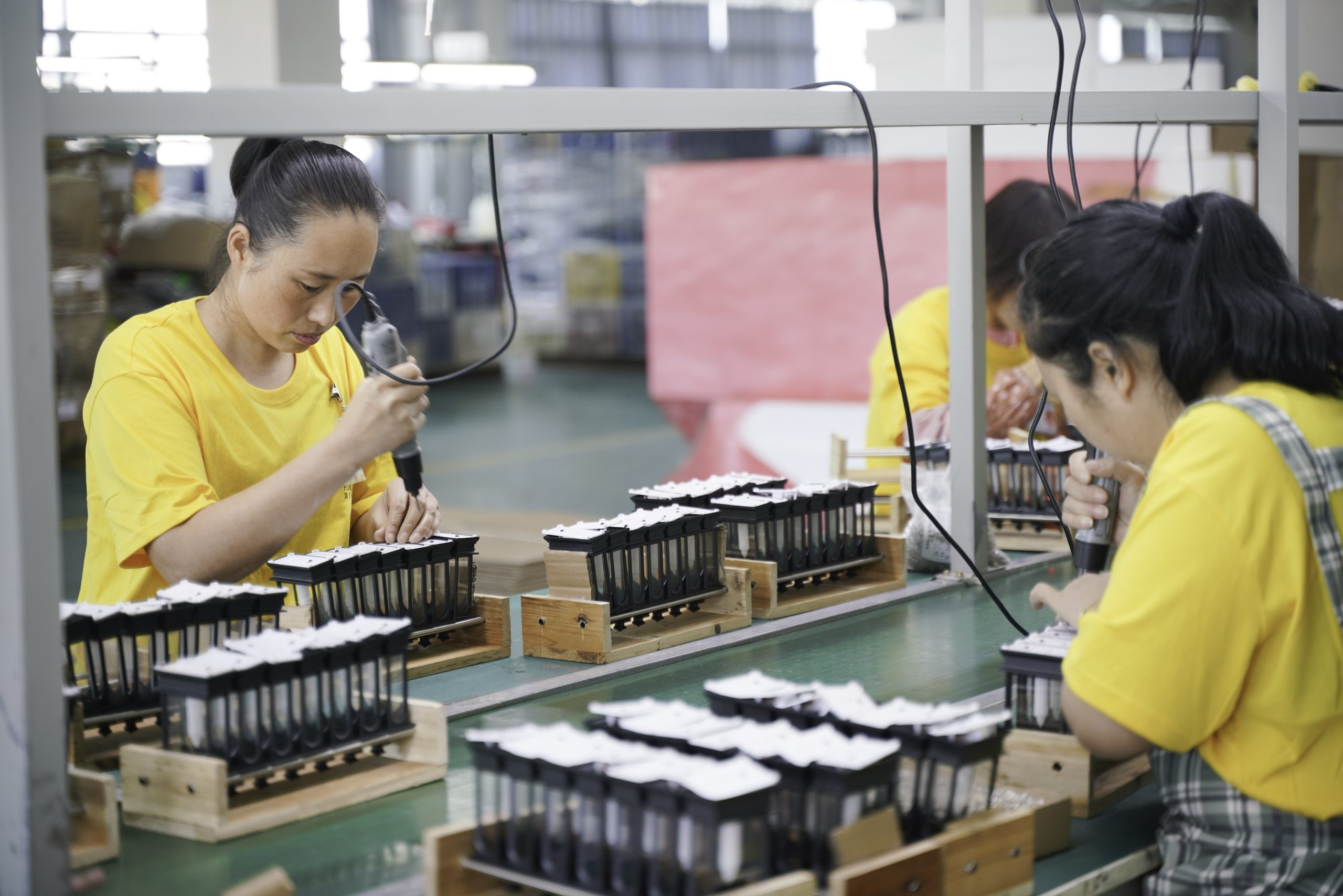
Once the sample is approved, the project can move into production planning. Depending on the product, manufacturing may include molding, surface finishing, painting, component installation, assembly, inspection and packing.
For B2B buyers, the key challenge is not simply whether a supplier can make one good sample. The approved design needs to be reproduced consistently across the production order.
Quality Control and Component Testing
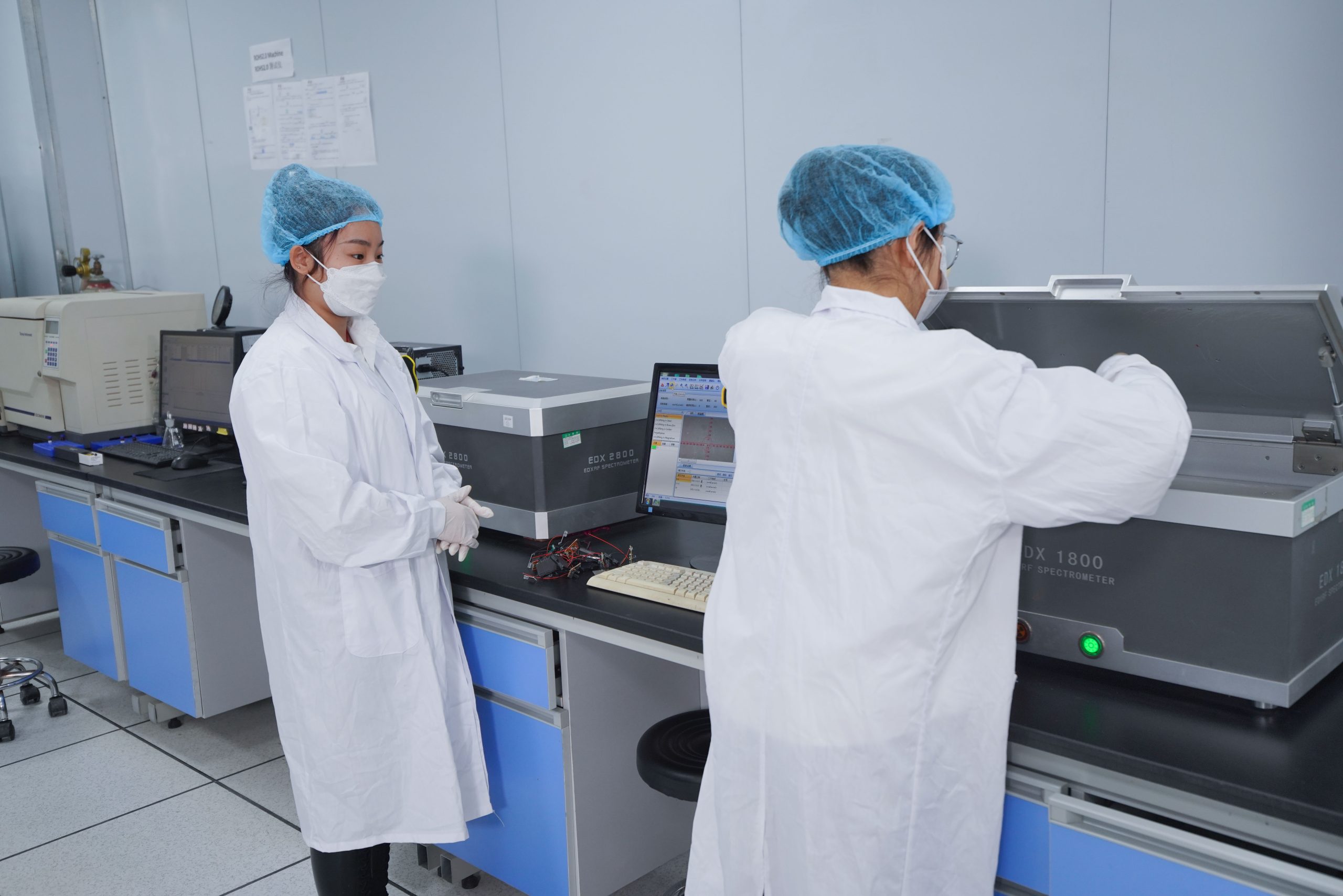
Quality control for solar garden decor may involve more than the appearance of the finished product.
Depending on the project, surface finish, structure, assembly, rechargeable batteries, LEDs, solar-related components and packaging may all require evaluation.
Buyers should confirm relevant testing and compliance requirements before production rather than assuming that every product follows exactly the same program.
Plan Packaging Before the Order Is Ready to Ship
Packaging should not always be treated as a decision made after production is complete. Product dimensions, fragile areas, retail presentation and shipping conditions may influence packaging much earlier in development.
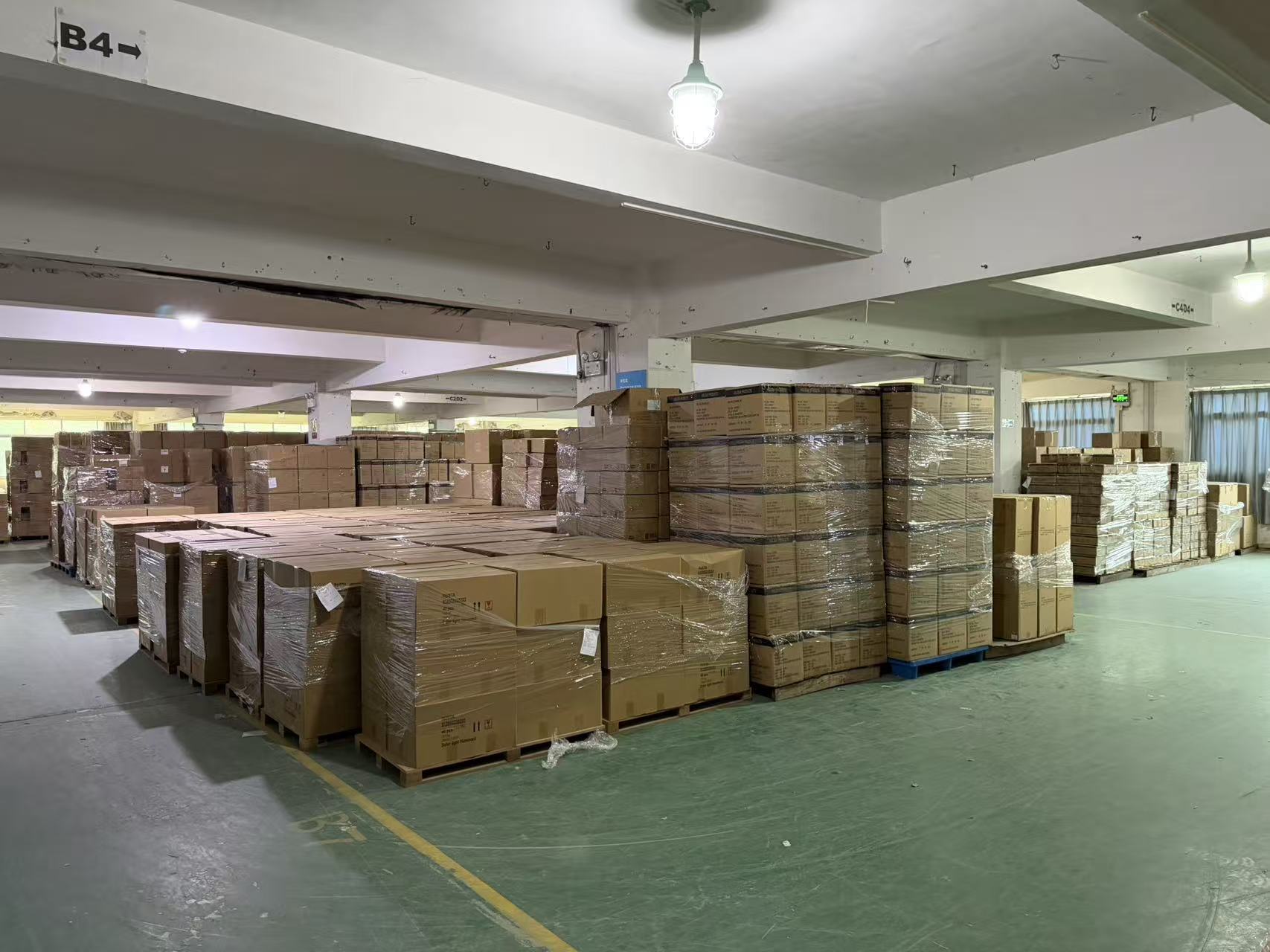
For B2B orders, packaging often needs to balance product protection, retail requirements, carton efficiency and transportation cost.
After products are packed, carton organization, pallet preparation and shipment handling become part of the final order-execution process.
Evaluate the Supplier as a Development Partner
Sourcing an existing product and developing a custom product are different purchasing tasks.
For custom projects, buyers may also need to understand whether a supplier can communicate design changes, coordinate sampling, integrate functional components, manage production and support relevant quality requirements.
- Can the supplier discuss and refine a new product concept?
- Can sketches or 3D development be supported where required?
- Can solar components be integrated into the decorative structure?
- Can samples be reviewed and revised before production?
- Is there a defined production and quality-control process?
- Can packaging and private-label requirements be discussed early?
Questions Buyers Often Ask About Custom Solar Garden Decor
Can solar garden decor be customized?
Depending on the project, customization may include product shape, dimensions, color, decorative details, solar panel position, lighting effect, branding and packaging.
Can an existing garden decor design be modified?
In many cases, an existing product can be adjusted in areas such as color, dimensions, decorative details or component configuration. Feasibility depends on the existing structure and the extent of the requested changes.
Is 3D modeling required for every custom product?
No. The development method depends on the product. More complex sculptural or structural designs are generally more likely to benefit from digital development and 3D modeling.
Can the solar panel position be changed?
It may be possible, but the final position needs to consider sunlight exposure, appearance, internal structure, wiring and manufacturing feasibility.
What should a buyer provide before requesting a custom sample?
A reference image or concept, approximate dimensions, material preference, intended solar function, estimated quantity, target market and packaging expectations provide a useful starting point.
Can one custom design be developed into a wider collection?
Yes. A successful design direction can often be extended into additional animals, characters, dimensions, colors or seasonal variations to create a coordinated product collection.
Have a Garden Decor Concept You Want to Develop?
Share a reference image, sketch or product idea with our team. We can discuss the design direction, material, solar function, sample development and production requirements for your project.
Discuss Your Project